Morgan Krause · 14 September 2026
Patterns of Resilience in Modern Service Platforms Facing Technical Relocations
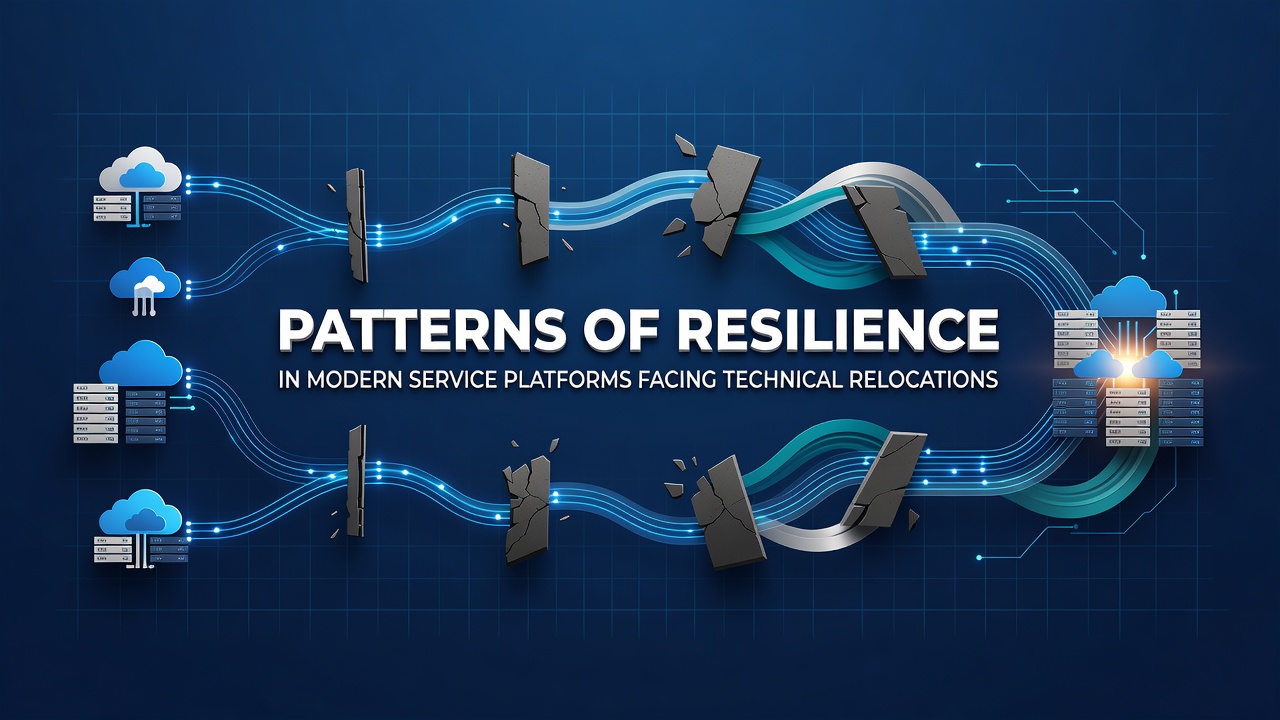
Technical relocations in service platforms involve shifting core infrastructure such as servers, databases, and network configurations from one physical or virtual location to another while maintaining continuous operations, and observers note that these moves often stem from factors like regulatory changes, capacity needs, or facility upgrades. Research from industry reports shows that platforms handling high-volume transactions frequently encounter these challenges, where downtime risks can affect user access and data integrity across multiple regions.
Key Drivers Behind Platform Relocations
Service providers initiate relocations when existing facilities reach capacity limits or when new locations offer better connectivity and lower latency for distributed users, while data from migration studies indicates that energy efficiency requirements also play a significant role in prompting these decisions. Experts have documented cases where platforms move operations to align with updated compliance standards across different jurisdictions, and figures reveal that such shifts increased notably between 2023 and 2025 as organizations adapted to evolving data sovereignty rules.
Observed Resilience Patterns
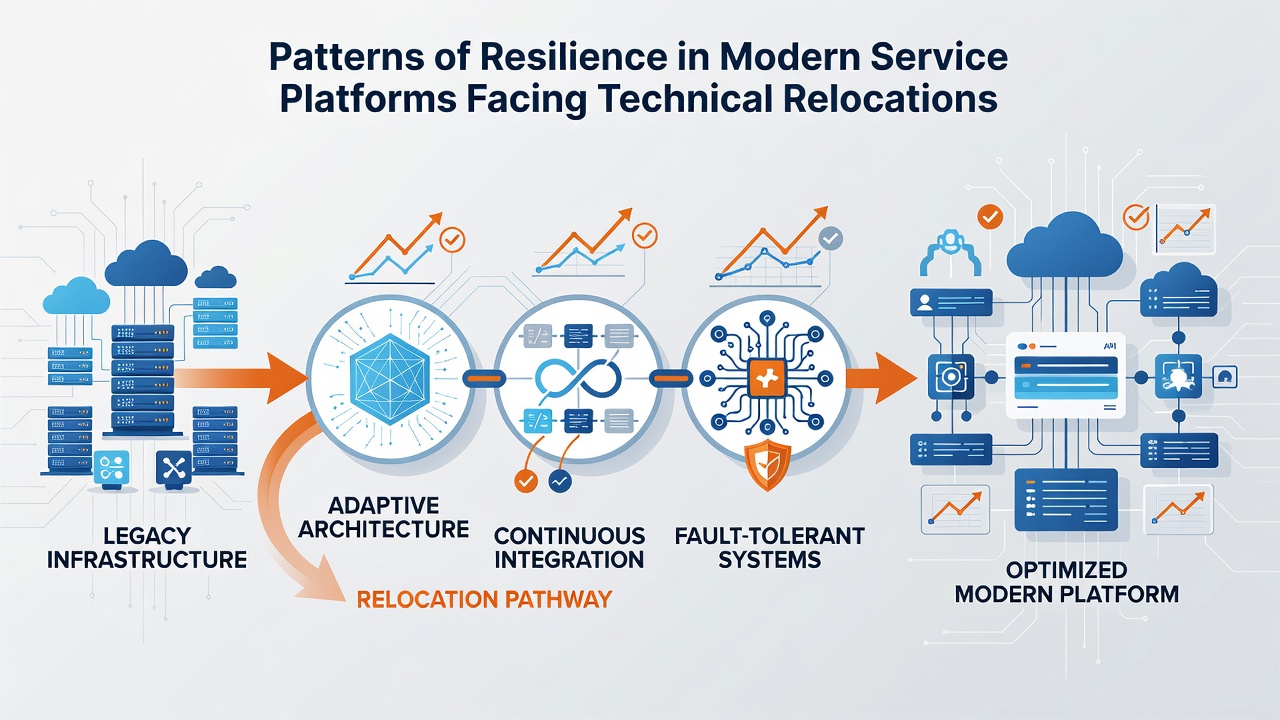
Analysts have identified several consistent patterns that successful platforms employ during these transitions, including phased migration strategies that segment workloads into isolated components for sequential transfer. This approach allows teams to test each segment independently before full cutover, and studies indicate that platforms using container orchestration tools achieve smoother handoffs compared to those relying on monolithic architectures. Redundancy mechanisms such as active-active configurations across multiple sites further support continuity, whereas platforms that maintain synchronized replicas report reduced recovery times when issues arise during the move.
Monitoring and Automation Roles
Automated monitoring systems track performance metrics in real time throughout the relocation process, enabling rapid responses to anomalies before they escalate into outages. Research shows that platforms integrating predictive analytics can anticipate potential bottlenecks based on historical traffic patterns, and this capability proves especially valuable when handling peak loads during transition windows. Those who've studied these implementations note that combining automation with human oversight creates layered defenses that address both predictable and unexpected complications.
Case Examples from Recent Projects
One documented relocation involved a global content delivery network that shifted primary data centers in early 2025 while maintaining 99.99 percent uptime through parallel infrastructure setups, and reports detail how the team used traffic routing adjustments to divert portions of users gradually. Another instance featured a financial data processing service that completed its move in September 2026 ahead of scheduled regulatory updates, relying on encrypted data pipelines and staged verification protocols to preserve transaction accuracy. Observers note that both examples demonstrated the value of pre-migration simulations that replicate production conditions at scale.
Challenges Encountered and Mitigation Approaches
Network latency spikes and data synchronization errors represent frequent hurdles during relocations, yet platforms that deploy temporary overlay networks often minimize these effects. Evidence from post-migration reviews suggests that thorough documentation of dependencies between services prevents cascading failures, while organizations that conduct multiple dry runs identify gaps in their procedures early. Geographic diversity in source selection matters here, as data from the Australian Cyber Security Centre highlights effective practices in handling cross-border data flows during such events, and a separate analysis from the National Institute of Standards and Technology outlines technical frameworks for maintaining resilience under similar conditions.
Emerging Trends and Preparations for 2026
Looking toward September 2026 and beyond, service platforms increasingly incorporate edge computing nodes to distribute workloads more evenly, reducing the concentration risks associated with central facility moves. Data indicates that adoption of zero-trust security models during transitions has grown, providing additional safeguards against unauthorized access while systems operate in hybrid states. Researchers continue to examine how artificial intelligence tools can optimize routing decisions dynamically, and preliminary findings point to measurable improvements in both speed and reliability when these tools integrate with existing orchestration platforms.
Conclusion
Patterns of resilience in service platform relocations center on structured planning, layered redundancies, and adaptive monitoring that together sustain operations under shifting conditions. Data from multiple regions demonstrates that platforms applying these elements consistently navigate technical moves with minimal disruption, and ongoing developments in automation and distributed architectures point to continued refinement of these approaches in the years ahead.